


Call us on:
+1 (416) 265-7979
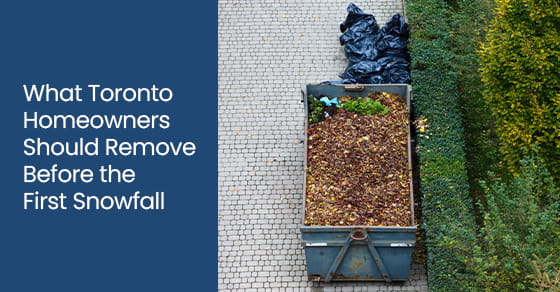
The first snowfall can turn an ordinary outdoor cleanup into a more difficult task. Unwanted items become buried, equipment is harder to retrieve, and clutter around driveways, sheds, and walkways can interfere with winter activities.
Winter home preparation is a good opportunity to address these problems while everything remains accessible. A practical fall cleanup involves deciding what to keep, store, donate, recycle, or discard before freezing conditions arrive.
For Toronto-area homeowners, these five cleanup priorities provide a useful starting point.
Start with items that will be exposed to snow, occupy space needed for winter equipment, or obstruct frequently used areas. Remember that removing something from the yard does not necessarily mean throwing it away.
Patios and backyards often accumulate unwanted items throughout the warmer months. Broken chairs, cracked tables, worn cushions, damaged umbrellas, and unused decorations can remain outside long after summer ends.
Once snow arrives, smaller accessories may become difficult to locate, while bulky furniture can be more challenging to move or assess.
Before covering your patio furniture for winter, inspect everything in the seating area.
Furniture that remains functional may only need cleaning, protective covers, or appropriate indoor storage. Items that are damaged beyond reasonable repair should be separated from belongings you intend to keep.
For example, if you are storing a patio table and chairs for winter, use the opportunity to sort through the damaged cushions, broken planters, and unused accessories surrounding them.
Usable furniture may be suitable for donation or resale. Damaged items may require municipal collection or another appropriate disposal service.
If you are considering a rental bin, confirm whether the furniture materials are accepted before loading them.
Garden areas and sheds can become crowded with split planters, damaged hand tools, worn hoses, broken watering accessories, and equipment that is no longer needed.
Sorting these items before the first snowfall makes it easier to identify what should remain in your outdoor storage areas.
Consider a garden shed that needs to accommodate snow shovels, ice-melting supplies, and other winter equipment. Removing broken gardening accessories and organizing reusable tools can make these essentials easier to reach.
Functional hoses, planters, and seasonal equipment should be cleaned, dried where appropriate, and stored according to their material requirements.
Damaged items may be suitable for repair, recycling, or disposal depending on their condition.
Plant material, leaves, and small branches should be handled separately from general household waste.
Toronto’s yard waste collection guidance explains which organic materials qualify for municipal collection and how they should be prepared.
Homeowners can also consider composting appropriate garden materials. Yard waste should not automatically be mixed with other materials in a rental disposal bin.
Deck repairs, fence replacements, landscaping projects, and exterior renovations frequently leave materials behind.
Scrap lumber, damaged fence boards, broken fixtures, packaging, and unused construction supplies may remain beside garages or along property boundaries after the work is completed.
These materials are easier to sort before they become buried under snow, waterlogged, or frozen to the ground.
For example, a homeowner who completed a partial deck repair during summer may still have discarded boards, fastener packaging, and leftover construction materials stacked nearby.
Start by separating useful materials from waste. Sound lumber or unused supplies may be worth retaining for future repairs if they can be stored properly.
Waste materials require more careful sorting.
Heavy materials such as soil, brick, concrete, and paving stones may need a dedicated disposal category or separate bin. Combining them with ordinary household waste can create restrictions or additional charges.
For larger quantities of eligible renovation debris, you can rent one of our disposal bins and load the materials yourself.
Confirm the permitted material categories and weight limits before arranging a container.
Walkways and driveways need to remain accessible throughout winter. Unused planters, loose decorations, abandoned materials, and other objects can become hidden once snow begins accumulating.
Removing these items in advance makes routine shovelling and snowblower use more manageable.
Pay particular attention to the edges of walkways, driveway entrances, steps, and areas where outdoor items have been temporarily stored.
Leaves and debris also deserve attention when they obstruct drainage.
Toronto’s drainage maintenance recommendations advise homeowners to keep eavestroughs, downspouts, and drainage routes clear of obstructions that can interfere with rainfall and snowmelt.
This does not mean every leaf must be removed from the property. Some leaves can remain in garden beds where appropriate.
However, debris should not be pushed into public drainage areas or onto roads and sidewalks.
Toronto’s leaf disposal guidance explains the restrictions on moving leaves onto public sidewalks and roadways.
Relocate useful objects to appropriate storage and sort discarded materials according to their disposal requirements.
Garages and sheds often become storage areas for unused sports equipment, broken shelving, empty packaging, damaged patio accessories, and household items that no longer serve a purpose.
During winter, that clutter can make it difficult to access snow shovels, winter tires, and other seasonal essentials.
The goal is not necessarily to empty the entire garage or shed. Instead, create an organized layout that keeps frequently needed equipment accessible.
Move useful summer belongings into suitable outdoor storage locations, donate items in good condition, and separate waste that cannot be reused.
For larger garage cleanouts, a rental bin can provide a central location for permitted waste.
Homeowners remain responsible for sorting, carrying, and loading their belongings into the container.
Deciding what to remove is only the first stage of fall cleanup. The next step is determining how each material should be handled so reusable belongings, recyclable items, and restricted waste do not end up in the wrong disposal stream.
Use four categories to organize your cleanup:
Some items need special handling.
Paint, batteries, propane cylinders, pesticides, and household chemicals should not be placed in ordinary rental bins.
Toronto’s household hazardous waste guidance identifies materials requiring designated collection or drop-off arrangements.
Before loading bulky furniture, renovation debris, garden materials, or heavy waste, consult our rental bin disposal guidelines.
Accepted materials depend on the selected bin and waste classification. Not every material can be combined in one container.
A disposal bin may be practical when your cleanup produces more eligible waste than you can conveniently manage through municipal collection or smaller disposal trips.
At Scarborough Disposal, we provide bins for homeowner-managed cleanup projects.
Our service involves delivering a suitable container to an accessible location, allowing you to load your permitted waste, and collecting the bin when it is ready for pickup.
We do not enter homes, garages, or sheds to remove belongings, and our staff do not carry or load materials for customers.
Before renting, estimate your waste volume and identify the materials you intend to discard.
Review our bin sizes and rental details, including applicable weight allowances, rental periods, and material restrictions.
You should also confirm driveway access, bin placement requirements, and any permissions needed if a container must be placed on a public street.
When you are ready, you can book a disposal bin for an appropriate delivery and collection arrangement.
Planning before snowfall is especially helpful because snowbanks, ice, parked vehicles, and accumulated materials can interfere with bin placement and pickup.
Load only permitted materials, keep waste within the allowed fill level, and follow the conditions of your rental agreement.
Effective winter home preparation involves clearing damaged outdoor furniture, organizing garden equipment, removing leftover project debris, maintaining access areas, and making better use of storage space.
When a larger cleanup produces substantial eligible waste, we offer bin rentals for larger cleanups. We deliver the container and collect it once you have completed the sorting and loading.
We serve homeowners in Toronto, Scarborough, Beaches, Leaside, Pickering, and Ajax.
To discuss your pre-winter cleanup and arrange a suitable rental bin, call 416-265-7979 or contact us.
Start while outdoor items remain accessible and before persistent snow or freezing conditions make sorting and moving materials more difficult. Inspect patios, garden areas, garages, sheds, walkways, and driveways in advance. Toronto’s first snowfall varies from year to year, so completing the cleanup before winter weather becomes established is more practical than planning around one expected date.
Functional patio furniture, gardening tools, hoses, reusable planters, and seasonal equipment are generally worth keeping when they remain useful. Clean and dry items where appropriate, then store them according to their material requirements. Damaged belongings may be suitable for repair, recycling, or disposal, while usable items you no longer need may be donated or passed on.
Not necessarily. Whether yard waste and patio furniture can share a container depends on the selected bin, material restrictions, and disposal requirements. Different furniture components may also have different acceptance conditions. Confirm the materials with us before loading. Municipal yard waste collection and donation may be more appropriate for certain items.
No. We provide rental bins rather than full-service junk removal. Homeowners are responsible for sorting unwanted belongings, carrying permitted materials from their property, and loading the container themselves. Our service includes delivering the selected bin to an appropriate location and collecting it when the rental is ready for pickup, subject to the agreed arrangements.