


Call us on:
+1 (416) 265-7979
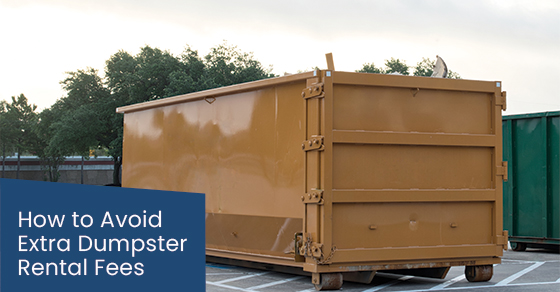
A dumpster rental can make cleanup much easier during a renovation, household cleanout, roofing job, construction project, or other work that produces a lot of debris. The final cost, however, depends on more than simply choosing a bin and having it delivered.
Bin size, debris weight, waste type, rental length, loading, and site access can all affect what you ultimately pay. At Scarborough Disposal, we help customers plan around these factors before delivery so they have a clearer idea of what their project requires and which costs may apply.
Keeping costs predictable starts before the bin reaches your property. Estimating what you’re throwing away, understanding the rental terms, and preparing the site can all reduce avoidable problems later.
With our bin rental service, we deliver the container and pick it up when scheduled. You, your contractor, or other people you’ve arranged are responsible for moving materials into the bin.
A bin that’s too small may leave you needing additional disposal capacity. Going much larger than necessary can mean paying for space your project doesn’t require.
Think about both volume and material type. A household cleanout may involve bulky but relatively light items, while roofing or construction work can produce denser debris that affects weight before the bin looks full.
We offer several bin sizes and can help you choose a suitable option based on your project, waste type, and available placement area.
Dumpster rental cost can increase if the loaded bin exceeds the weight included with your particular rental.
Dense material is where visual estimates can be misleading. A bin containing heavy construction debris may reach its weight allowance without being filled to the top.
Tell us what you expect to dispose of when you book. Weight allowances vary by bin and rental option, so it’s better to understand the terms for the specific container than assume the same limit applies to every rental.
Not every bin accepts every material.
Dirt, concrete, brick, asphalt, and other clean fill may need to be handled differently from general renovation or household waste. A bin that’s suitable for mixed household debris won’t necessarily be suitable for heavy clean fill.
Let us know about all planned materials before ordering. If you’re unsure whether something can go into your bin, ask us before loading it. That can help prevent mixed-load charges or the need to change disposal arrangements after delivery.
Keep material within the permitted loading area rather than piling debris above the sides.
Overfilled or poorly loaded bins can create problems during transportation and may need to be corrected before pickup. Breaking down suitable bulky items can help you use the available bin space more efficiently without exceeding safe loading requirements.
Our drivers don’t load or rearrange your debris for you, so plan to keep the load manageable as the project progresses.
Each rental includes a defined rental period, and keeping a bin longer may result in additional daily charges.
Try to schedule delivery close to when demolition, cleanup, or construction will actually begin. If a bin sits empty for several days before work starts, you’re using part of the rental period without gaining much value from it.
If your schedule changes, contact us as early as possible. Don’t assume an extension is automatically included.
Our truck needs enough room to deliver and retrieve the bin safely.
Move vehicles, trailers, construction materials, equipment, and other obstructions before the scheduled delivery or pickup. Depending on the site and bin, restricted access, extra waiting, repositioning, or additional trips can affect the final cost.
Site preparation is your responsibility. We don’t enter the home or carry waste from the property to the rental bin.
Decide where you want the bin before our truck arrives.
Consider driveway space, truck access, project workflow, and how far you’ll need to carry debris. A location that looks convenient from the house may not provide enough room for safe delivery or pickup.
We place bins on wood to help protect driveway or loading surfaces. You should still make sure the intended location and access route are suitable for the delivery vehicle and container.
Accurate information helps us recommend an appropriate bin and disposal arrangement.
Don’t describe a renovation load simply as “garbage” if you know it will contain concrete, soil, roofing material, or another significant waste type. Those details may affect the bin, weight allowance, or disposal requirements.
If you’re uncertain about an item, ask before adding it. That conversation is much easier than dealing with unsuitable materials after the bin has been filled.
Make sure you understand what’s included in your quote.
Review the rental period, included weight, delivery and pickup terms, material restrictions, and any circumstances that could create additional charges. These may include excess weight, extra rental days, mixed materials, additional trips, waiting time, repositioning, or service-location considerations.
Knowing the terms in advance gives you a chance to adjust the project before those costs are incurred.
Your total dumpster rental cost can depend on the bin size, waste type, debris weight, rental period, service location, and whether additional trips or access issues occur.
Heavy or mixed debris can also affect disposal costs differently from lighter general waste. That’s why the cheapest initial bin isn’t always the lowest-cost choice if it doesn’t suit what you’re actually throwing away.
We recommend looking at the complete project requirements rather than comparing base prices alone.
Clear an outdoor placement area and make sure our delivery truck can reach it. Move parked vehicles, trailers, tools, equipment, and construction materials out of the access route before the scheduled arrival.
Also think about how you’ll move waste from the work area to the bin. We provide the bin rental, delivery, and pickup, while you or your contractor handles the loading.
For projects in Toronto, Scarborough, the Beaches, Leaside, Pickering, and Ajax, discussing your materials, access, and placement needs with us before delivery can help identify potential issues early.
A well-planned dumpster rental can help you reduce preventable additional costs by matching the bin to your project, following weight and material requirements, staying within the intended rental period, and keeping the site accessible.
At Scarborough Disposal, we provide dumpster rental services for residential, renovation, construction, and commercial projects. We deliver and retrieve the bin, while you remain responsible for moving and loading your materials.
Reach out to Scarborough Disposal today at (416) 265-7979 or click here to get in touch online.
Common factors include excess weight, additional rental time, unsuitable or mixed materials, extra service trips, access problems, and service-location considerations.
The exact charges depend on your selected rental and project. We recommend reviewing the current terms with us when you book so you know what applies before the bin arrives.
Additional disposal charges may apply if your loaded bin exceeds the weight allowance included with the rental.
Heavy debris can reach that limit before the bin looks full. If you’re expecting dense materials, tell us about them before choosing a bin so we can help you select a more suitable option.
Don’t assume these materials can all be mixed.
Clean fill such as concrete or dirt may need to be kept separate from general waste, and mixed loads can result in additional charges. Tell us everything you plan to dispose of when booking, and we’ll explain the current requirements for your bin and materials.
No. With our bin rental service, we deliver the container to the agreed location and retrieve it when scheduled.
You, your contractor, or other people you’ve arranged are responsible for moving materials to the bin and loading them.
Consider the estimated volume and weight of your debris along with the type of material you’re discarding.
Project type can provide a useful starting point, but it doesn’t determine the correct bin by itself. If you’re unsure, tell us about the project and materials before ordering, and we can help you choose a suitable option.