


Call us on:
+1 (416) 265-7979
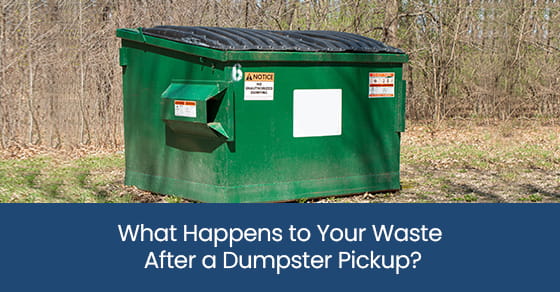
When a rental dumpster is collected from your property, it might seem like the disposal process is finished. However, the materials inside still need to be transported, assessed, and directed toward appropriate recycling, processing, or disposal facilities.
Waste management involves several stages after collection. What happens next depends on the type of waste, how it was separated, and the processing options available.
At Scarborough Disposal, we deliver rental dumpsters for customers to load themselves, collect the filled bins, and arrange appropriate waste handling. Understanding the stages that follow helps explain why sorting materials correctly matters.
Dumpster pickup marks the beginning of the next stage of waste handling. The contents still need to reach an appropriate receiving location before further processing or disposal can occur.
When you rent a bin from us, you select a suitable container, arrange delivery, and load your permitted materials during the rental period.
Once the bin is ready, our driver collects the filled container for transportation. Our service does not include entering homes, carrying belongings, or loading waste for customers.
You can learn more about how our bin rental process works before arranging your rental.
Consider a homeowner completing a kitchen renovation. Their dumpster might contain approved materials such as broken cabinetry, wood offcuts, packaging, and other construction debris.
Although the renovation waste has left the property, those materials have not necessarily been recycled or permanently disposed of.
The collected load must first reach a receiving facility suited to the materials and applicable disposal arrangements.
Collected dumpster waste may be transported to a transfer station, a waste processing facility, or another authorized receiving location.
The destination depends on factors such as material type, waste classification, facility acceptance requirements, and the arrangements made for handling the load.
A transfer station primarily receives and consolidates waste before transferring it elsewhere. A processing facility performs additional activities that alter, prepare, or treat waste for subsequent use or disposal.
Ontario’s waste facility guidance distinguishes these activities within the province’s environmental approval framework.
Not every rental dumpster follows the same transportation route or arrives at a facility equipped with identical sorting or recovery operations.
The receiving location determines which handling options are available next.
Once waste reaches an appropriate facility, its contents and classification influence how it can be managed. Loads containing one suitable material may be handled differently from dumpsters containing several types of debris.
A clean load generally consists of a specified material that meets the receiving facility’s acceptance conditions.
For example, a dumpster containing suitable clean concrete from a demolition project may qualify for a dedicated material stream.
A mixed renovation load containing wood, drywall, metal, packaging, and other materials presents different handling requirements.
Clean materials may be directed toward specialized processing or recovery facilities. Mixed waste may require additional separation, depending on contamination, available equipment, and the receiving facility’s capabilities.
These differences can also affect rental conditions.
We have separate requirements for some clean-fill and mixed-waste loads. Our clean and mixed waste requirements explain applicable material restrictions and when mixing clean fill with other waste can result in additional charges.
Material identification matters beyond rental pricing.
For example, Toronto’s waste separation requirements require materials to be identified and prohibit certain mixed loads at municipal transfer stations.
Those municipal rules illustrate why waste classification is important, although individual private facilities and rental services may follow different acceptance conditions.
Some materials can be recovered from collected waste when they are suitable for recycling and the necessary processing arrangements are available.
Scrap metal from a renovation project, for example, may be separated and directed toward an appropriate metal-recycling operation.
Clean concrete may qualify for a specialized recovery stream rather than being treated as general construction garbage.
However, sorting and recycling are different activities.
Sorting involves identifying or separating materials. Recycling involves further processing that prepares materials for another use or converts them into usable products or raw materials.
As part of our waste-handling practices, we separate recyclable materials from collected waste.
The specific handling sequence and recovery outcome can vary between loads. A material’s presence in a dumpster does not guarantee that it will be recovered.
Toronto’s waste transfer facilities provide a local example of infrastructure used to receive, sort, and transfer waste.
These municipal facilities illustrate the broader system, rather than identifying where we send any particular load.
Recovery opportunities depend on the waste itself. Material composition, contamination, separation, and processor acceptance all influence whether an item can be directed toward recycling.
Scrap metals are among the materials that may be suitable for recovery after collection.
Discarded metal framing, fixtures, and other acceptable metal components can be separated and sent to facilities that prepare scrap for use as industrial raw material.
Concrete and similar mineral materials have different recovery possibilities.
Suitable clean concrete may be crushed and processed for certain aggregate applications. Brick and other masonry materials may also have recovery options where specialized facilities accept them.
These processes depend on the material meeting the applicable acceptance requirements.
A load containing clean concrete is not equivalent to a dumpster filled with mixed renovation garbage.
Heavy material categories also have specific bin and loading restrictions.
Although suitable metal and masonry may be recyclable, their recovery is not guaranteed for every collected load. Customers should confirm the approved waste category when selecting a rental bin.
Other materials commonly found in renovation and cleanup dumpsters may also have recycling opportunities.
Clean cardboard and paper can be directed toward suitable paper-recycling operations. Some wood and plastic materials may also be recoverable when their condition and composition meet a processor’s requirements.
For example, clean renovation packaging or certain untreated wood offcuts may be more suitable for recovery than contaminated packaging or mixed-material products.
The practical challenge of recycling waste materials is that an item must be acceptable to the receiving processor, not simply made from a substance that is recyclable in some circumstances.
Food contamination, coatings, mixed components, and limited local processing options can prevent recovery.
Household recycling rules should not automatically be applied to construction dumpsters.
Ontario’s residential Blue Box system involves separately collected recyclable materials. Mixed construction and commercial waste can follow different collection, sorting, and processing arrangements.
Placing cardboard or plastic in a rental dumpster does not establish that it will enter the same recycling stream as household Blue Box material.
Not every material can be recovered after collection. Waste management must also account for residual materials that cannot be recycled through the available processing arrangements.
After any feasible separation or recovery, remaining materials must be handled through an appropriate disposal route.
Depending on the waste and the facilities available, this may include disposal at an authorized landfill.
Landfill disposal remains part of waste management even when recyclable materials are separated from collected loads.
We are committed to separating recyclable materials, but that does not mean every load will be fully recycled or diverted from landfill.
Actual outcomes depend on the materials and the downstream handling arrangements.
Appropriate waste handling begins before dumpster pickup.
Customers can support the process by identifying their waste accurately, selecting the correct bin, keeping designated clean-fill materials separate when required, and following loading limits.
Hazardous or restricted substances must not be placed in an ordinary rental dumpster.
Examples include paint, oils, solvents, asbestos-containing materials, and other prohibited waste.
Review our accepted and restricted materials before loading. Materials requiring specialized handling should be directed to appropriate municipal or approved specialty disposal services.
We provide the container and collection service. Customers are responsible for preparing, sorting, carrying, and loading their permitted waste.
Dumpster pickup is only one stage in the waste management process. Depending on the contents, collected materials may pass through transportation, receiving-facility assessment, separation, recycling, and residual disposal.
Our customer-loaded dumpster rental services support household cleanouts, renovations, construction projects, and commercial waste disposal.
We serve customers in Toronto, Scarborough, Beaches, Leaside, Pickering, and Ajax.
Planning a project? Contact us or call 416-265-7979 to discuss your waste type, estimated volume, and suitable dumpster rental options.
Not necessarily. Suitable materials may be separated for recycling or other recovery operations before remaining waste is directed to disposal. However, the outcome depends on the materials collected, their condition, and available processing arrangements. We do not publish a guaranteed recycling or landfill-diversion percentage for every rental dumpster.
Separating recyclable materials is part of our waste-handling practices. Materials such as metal, wood, paper, plastic, and concrete may have recovery opportunities. However, successful recycling depends on suitability, contamination, and facility capabilities. Not every mixed load necessarily undergoes the same sorting process, and recyclable potential does not guarantee actual recovery.
Clean material loads and mixed waste may require different receiving, sorting, transportation, or disposal arrangements. These differences can affect handling requirements and rental charges. We have published restrictions for clean-fill materials and certain mixed loads. Customers should identify their intended waste category and confirm the applicable conditions before choosing a bin or combining materials.
No. Hazardous or prohibited materials should never be placed in an ordinary rental dumpster on the assumption they can be separated after collection. Paints, oils, solvents, asbestos-containing materials, and other restricted substances require appropriate handling. Check our acceptance rules and arrange approved municipal or specialized disposal services for materials that cannot be loaded into the bin.