


Call us on:
+1 (416) 265-7979
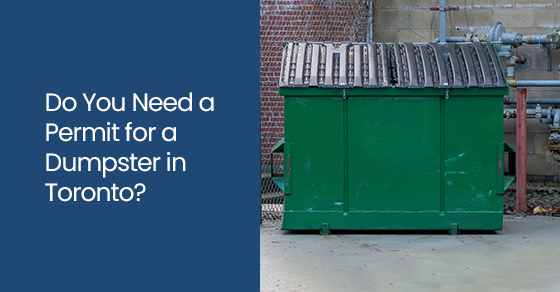
Many people arranging a bin rental in Toronto are not sure whether a permit is part of the process. That confusion is understandable. Permit requirements can change depending on where the bin will be placed, how long it will stay there, and whether the location affects public access or traffic flow.
For homeowners, contractors, and property managers, that detail matters before delivery is scheduled. A bin placed in the wrong location without the proper approval can create delays, fines, or the need to move the container after it arrives. This article explains when a permit may be needed, when it usually is not, and how to approach a bin rental in a way that helps keep your project compliant.
Permit rules are one of the most common points of confusion in bin rentals. The short answer is no, a permit is not always required. In most cases, the deciding factor is where the bin will sit during the rental period.
Understanding that distinction before booking a dumpster rental can help avoid problems later. It also makes it easier to choose a placement option that fits the property, the project, and local rules.
When a bin is placed fully on private property, a permit is typically not required. That often includes residential driveways, private parking areas, and construction sites with enough space to keep the container off public land.
Even in those situations, placement still needs to be practical. The surface should be suitable for the bin, there should be enough room for delivery and pickup, and the container should not create access issues on the property. A private placement is usually the simpler option because it avoids many of the restrictions that apply once a bin extends into public space.
If the bin needs to go on a street, sidewalk area, or other public right-of-way, a permit is generally required. This situation often comes up in parts of Toronto where driveways are limited, access is tight, or the property layout leaves no room for private placement.
Public placement brings in municipal rules because the container may affect parking, traffic, pedestrian movement, or street use. That is why permit requirements matter more in these cases. Before arranging delivery, it is important to confirm whether the chosen location falls under city approval requirements.
Permit approval is not only about yes or no. There may also be rules around how large the bin can be, how long it can remain in place, and exactly where it can be positioned. Restrictions may also apply if the container would interfere with traffic visibility, pedestrian access, driveways, or surrounding property use.
That is why it helps to review current city guidance before the rental begins. A location that seems workable at first glance may still have restrictions attached to it. Checking those details early can prevent delivery issues and reduce the chance of having to rearrange the project once the bin is already scheduled.
Responsibility for the permit is not something to assume. Depending on the project, it may fall to the property owner, the renter, or the contractor managing the work. That is why it is worth confirming this point before the delivery date rather than sorting it out at the last minute.
Clear responsibility matters because a missed permit can affect the entire schedule. If nobody has secured approval for a public placement, the bin may not be able to remain where it is needed. Sorting out that detail early helps avoid confusion, fines, and wasted time.
Skipping a required permit can create immediate project problems. A bin placed on public property without proper approval may lead to fines, orders to remove or relocate the container, or delays that interfere with demolition, renovation, or cleanup work.
It can also create avoidable frustration for everyone involved. Contractors may lose time, property owners may face extra coordination issues, and the project timeline can become harder to manage. Taking the permit question seriously from the start is one of the simplest ways to keep the rental process smoother.
A knowledgeable local provider can help customers think through placement options before delivery. That guidance is useful because permit needs often depend on whether the bin will stay on private property or extend into public space. Asking those questions early can make the rental process more straightforward.
It is also important to understand what the service includes. Bin rental providers supply the bin and arrange delivery and pickup, but they do not enter the property, load debris, or act as a junk removal crew. Working with a provider that understands local bin rental conditions in Toronto can still make planning easier, especially when permit-related questions affect where the bin can go.
Local service coverage matters when timing, placement, and coordination all affect the job. Scarborough Disposal serves Toronto, Scarborough, Beaches, Leaside, Pickering, and Ajax, giving customers access to a provider that is familiar with the area and the practical challenges that can come with bin placement.
That local familiarity can be helpful when a project has tighter access, limited driveway space, or questions around public placement. While permit requirements still need to be confirmed through the appropriate city channels when applicable, working with a local provider can make the planning process more efficient.
Understanding dumpster permits in Toronto starts with one basic question: Will the bin sit on private property or in a public space? That answer often shapes whether a permit is needed and how the rental should be planned. Scarborough Disposal provides local support for dumpster rental projects in Toronto, Scarborough, Beaches, Leaside, Pickering, and Ajax, helping customers arrange bin rentals with clearer expectations around placement and project logistics.
Reach out to Scarborough Disposal today at 1-(647)-905-5145, email us at scarboroughdisposalltd@gmail.com or click here to get in touch online.
In most cases, a bin placed fully on private property, such as a driveway, does not require a permit. That said, the placement still needs to be practical and fully contained on the property. If any part of the bin extends into public space, permit requirements may change.
The application process is generally handled through the city or the relevant municipal department responsible for public right-of-way use. Requirements can change, so it is best to review the current official Toronto resources before finalizing the rental or assuming approval is not needed.
That usually depends on the permit terms and the approved placement period. If a bin is allowed to remain on public property, the timing should follow the conditions attached to that approval. Going beyond the allowed period can create compliance issues.
No bin should be placed in a way that creates unsafe conditions or blocks required access. Sidewalks, roads, and pedestrian routes may be subject to specific restrictions, which is one reason permit review matters for public placement. Checking the local rules first helps reduce the risk of problems after delivery.