
Call us on:
+1 (416) 265-7979
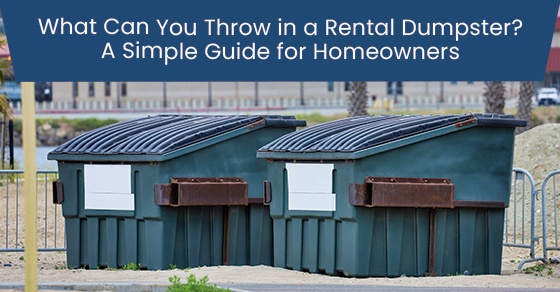
Understanding what can safely go into a rental dumpster helps homeowners avoid stress, surprise fees, or delays during a cleanup or renovation project. Many people book a bin without knowing the disposal limits, which often leads to confusion once they start filling it. At Scarborough Disposal, we offer convenient bin rentals for homeowners throughout Toronto, Scarborough, Beaches, Leaside, Pickering, and Ajax. We don’t provide junk removal services, enter homes, or assist with loading. Instead, we deliver the bin, pick it up when you’re finished, and help you manage waste in a simple and reliable way. This guide explains clearly what can you put in a dumpster, what must stay out, and how to keep your project running smoothly from start to finish.
When homeowners ask what can you put in a dumpster, the answer depends on local regulations and the type of waste involved. Our goal is to help you understand the categories of items that qualify so you can sort everything properly before loading your bin. Since our team doesn’t enter your home or help with moving debris, all materials must be carried or transported by you to the bin, and everything must stay below the fill line to allow safe transport. With these basics in mind, let’s look at the most common types of waste that rental dumpsters can accommodate.
Most households accumulate general clutter that needs to be cleared out occasionally. A rental bin is ideal for standard non-hazardous waste that no longer serves a purpose. Homeowners often use bins to dispose of unused items during garage cleanouts, small renovations, or downsizing projects. Acceptable materials usually include:
All items must be placed into the bin by the homeowner, and nothing can exceed the fill line. These simple guidelines ensure safe transportation and compliance with disposal facility standards.
Many homeowners book a dumpster for renovation projects, which means construction debris is a major part of what can you put in a dumpster. Materials from kitchens, bathrooms, basements, or outdoor structures are usually acceptable, provided they fall within approved guidelines for non-hazardous waste. These materials often include lumber, drywall, tiles, flooring, roofing shingles, and other structural debris.
Weight is an important consideration when choosing bin size. Heavy materials can increase the load significantly, which may affect disposal fees or bin selection. Discussing the scope of your renovation with our team can help you select the right bin for the type and volume of debris you expect to dispose of. As always, we don’t enter homes or assist with moving construction debris, so homeowners should plan ahead for carrying materials out to the bin.
A rental dumpster is also useful for clearing outdoor spaces. Yard debris varies in size and density, and the guidelines are based on what local disposal facilities accept. Common items that qualify include branches, leaves, shrubs, and old fencing materials. Soil may be accepted, depending on local regulations and disposal requirements. This is one area where rules vary the most, so contacting us ahead of time ensures you understand which materials are allowed.
Green waste can be surprisingly heavy once loaded, so homeowners should keep weight considerations in mind. As with other waste categories, everything must be placed in the bin by the homeowner and kept below the fill line to maintain safe transportation.
Understanding prohibited items is just as important as knowing what can you put in a dumpster. Certain materials require special disposal procedures due to environmental or safety concerns. Local regulations prohibit placing hazardous waste in rental dumpsters, and violating these rules can lead to additional fees.
Common prohibited items include:
Hazardous materials require proper disposal through designated municipal programs or specialty facilities. This ensures safe handling and prevents contamination or accidents during transport.
Every homeowner renting a bin should understand essential dumpster rules that apply throughout Toronto, Scarborough, Beaches, Leaside, Pickering, and Ajax. Weight limits, access clearance, and fill line requirements help protect our drivers, your property, and the environment. These guidelines also help you avoid unexpected charges when the bin is picked up.
Homeowners should remember that Scarborough Disposal provides bin rentals only. We don’t enter homes, climb stairs, move debris, or provide any lifting assistance. Planning your project with these guidelines in mind ensures a smoother experience and eliminates delays on pickup day.
Extra charges are avoidable when homeowners take simple steps to sort waste properly and select the right bin for the job. Preparing in advance keeps garbage disposal efficient and reduces the risk of unexpected issues.
A few practical tips include:
These steps make it easier to follow dumpster rules and keep disposal costs predictable.
Knowing what you can put in a dumpster helps homeowners use their bin effectively and avoid complications during cleanup projects. Understanding the difference between acceptable materials and prohibited items protects the environment and keeps disposal simple. For a complete overview of approved waste types and bin options, visit our what can you put in a dumpster resource page.
Reach out to Scarborough Disposal today at (647) 905-5145, or click here to get in touch online.